What body doubling is, why it works for ADHD, and how the right kind of company can turn intention into action.
4 min read
I used to think I was just lazy. Or broken. Or both.
I’d sit at my desk for hours, searching “productivity tips for neurodivergent people” for hours, and get absolutely nothing done. Not for lack of trying, but because my brain would start to loop. I’d fall into this weird paralysis where everything felt urgent and nothing felt doable.
But when I was with someone else — even on a Zoom call with a friend quietly getting my work done — I was different.
There’s something oddly powerful about being watched.
You’ve probably felt it before without realising it: in a library, at a café, in a classroom with that one friend who’s always grinding.
You do your work, I do mine, we do it together.
That’s body doubling.
And it works.
What’s Really Happening Here?
Body doubling for ADHD works because attention isn’t just internal — it’s relational. We’re wired for connection on a biological level.
When speaking to people with ADHD, our team at STU found that working alone just doesn’t cut it a lot of the time.
Insert graphic of 3 different quote testimonials
Isolation has a way of distorting priorities.
And when you’re already tackling ADHD, we especially lose track of what matters. We can spiral into perfectionism. Or maybe avoidance. Or both.
Body doubling takes advantage of our social nature as humans. If there’s someone in the room with us, we go through something called behavioural synchrony where we start to match the actions of the people with us.
That’s why when you use STU or speak to motivated friends, we subconsciously know to lock in.
The science is catching up to something we’ve known intuitively for centuries: we function better when we’re not alone.
How to Do It (And Not Make it Weird)
This doesn’t need to be fancy. You don’t have to over-explain yourself. In fact, the best body doubling setups feel almost nonchalant.
Find someone who also wants to get things done. Ideally, they’re not too chatty.
Set a loose intention. “I’m going to work on my essay.” “Cool, I’ve got emails.”
Stay present. Mics off or on, cameras optional. The key is presence, not pressure.
No multitasking, no scrolling. Just mutual doing. Quietly, together.
Some people swear by “study-with-me” tools like Focusmate or Studyverse. Others use Discord, Zoom, or just text a friend: “Want to co-work for an hour?”
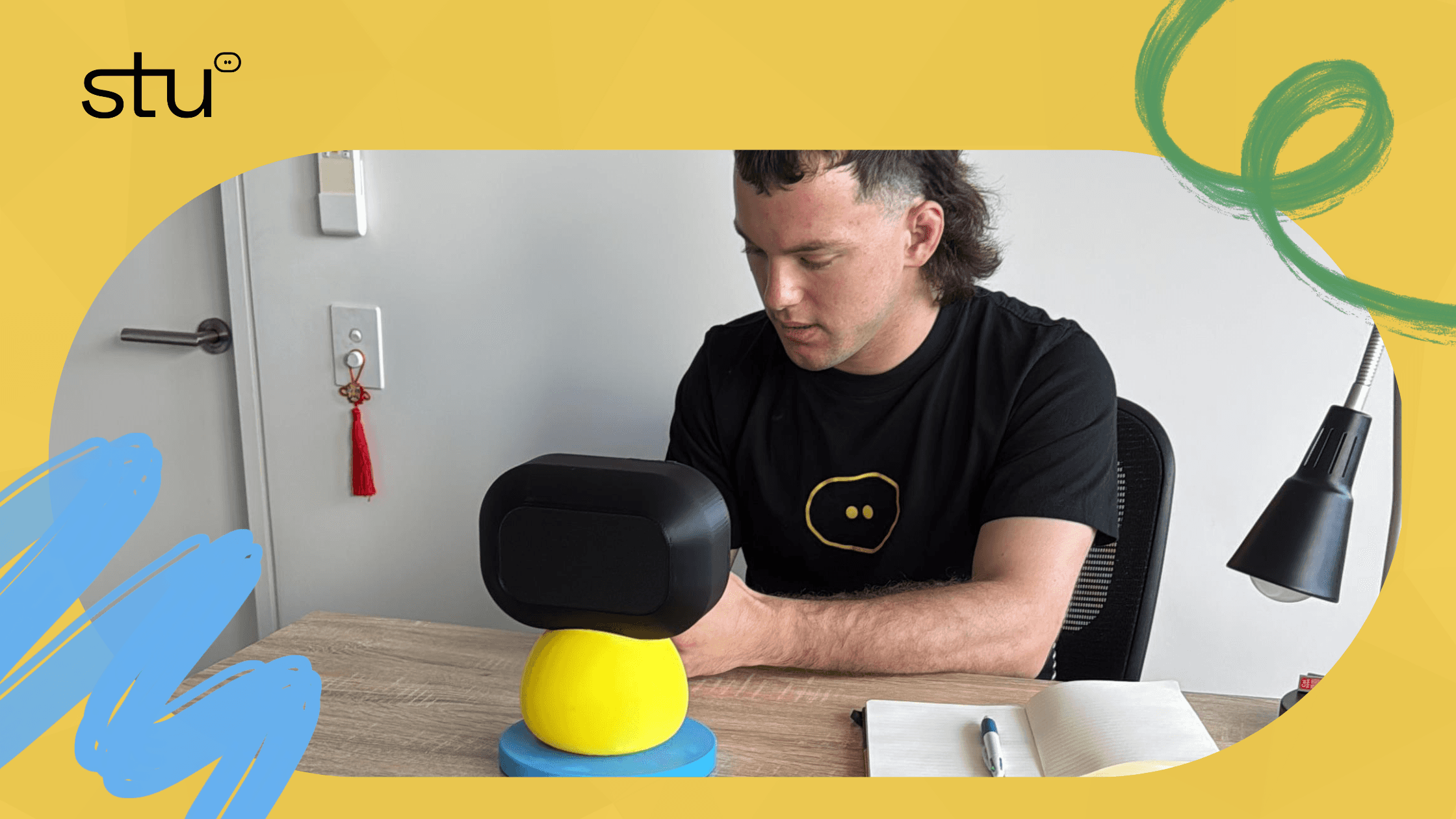
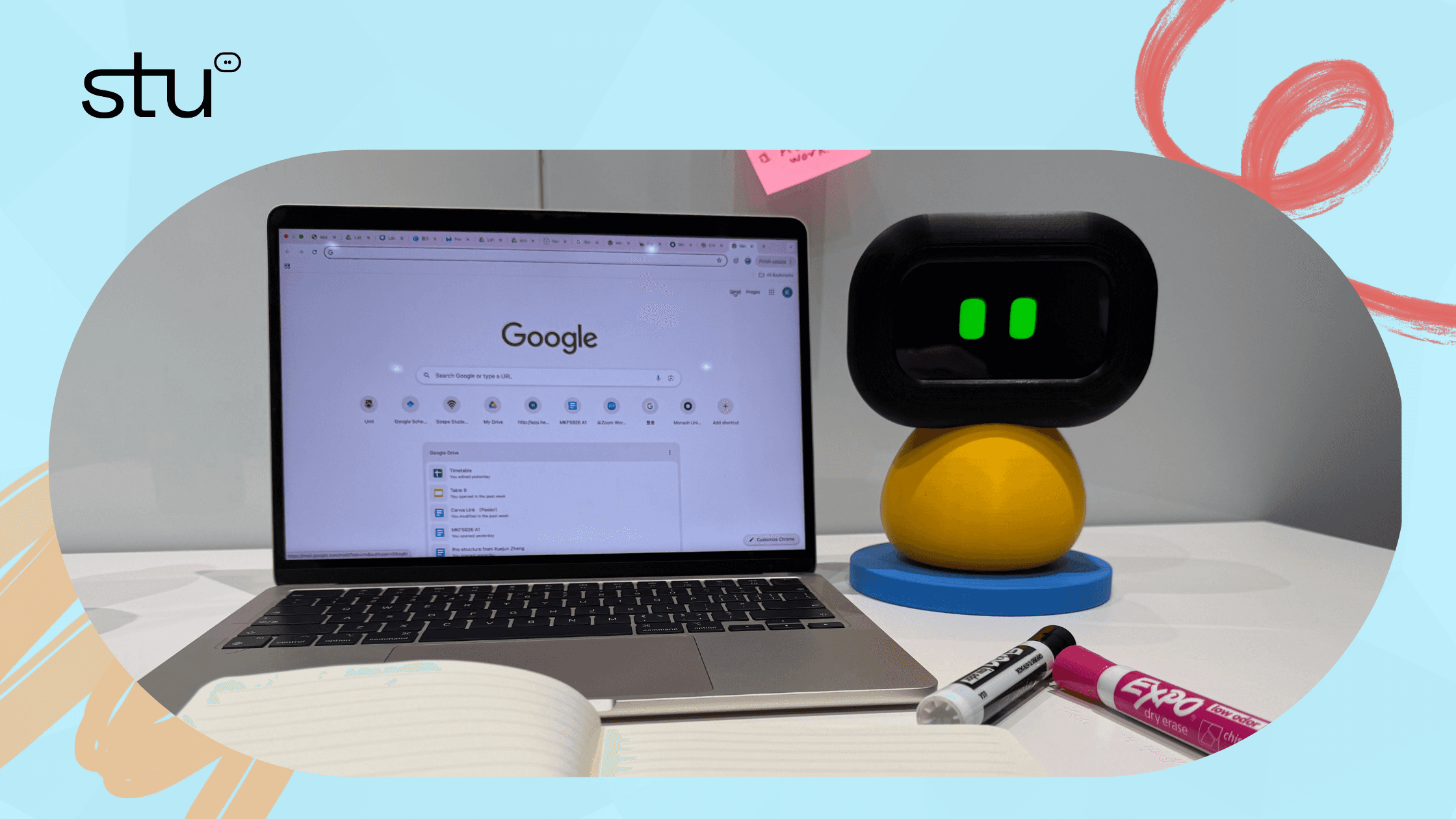
With STU, the best part is that it’s a friend that is always ready to start a session with you, cheering you on and even helping you when you get stuck — no questions asked and no judgement attached.
You’re Not Lazy, You’re Human
So next time your brain starts playing tricks on you, spinning, stalling, self-blaming. Try this:
Don’t go it alone.
Invite someone in.
And work, side by side.
RELATED ARTICLES
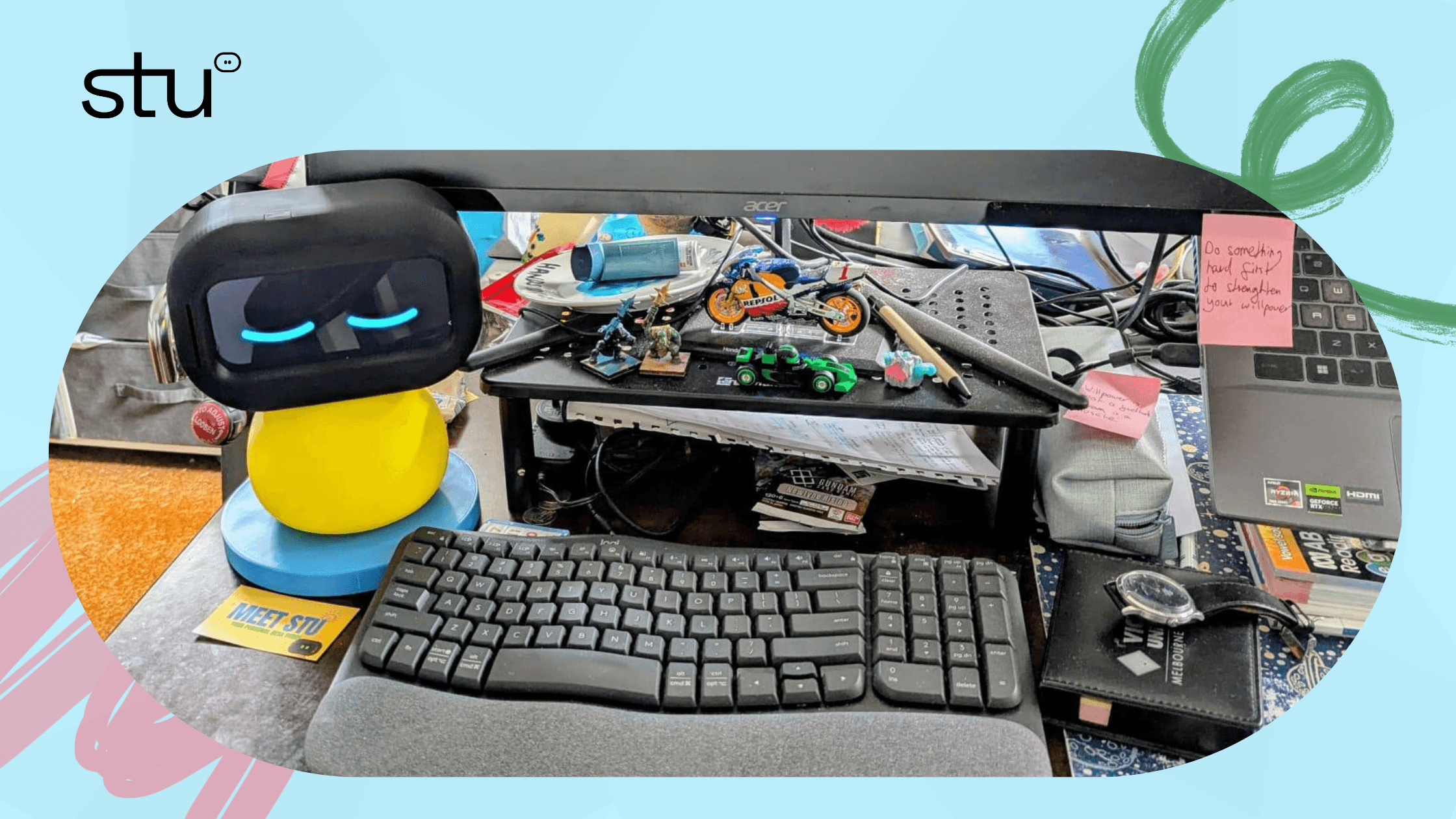
The Best ADHD Study Tools That Actually Understand ADHD
9 min read

How to Survive ADHD Burnout? Managing Energy, Not Time
7 min read
If It's Not Written Down, It Doesn't Exist: The Power of the Brain Dump
8 min read
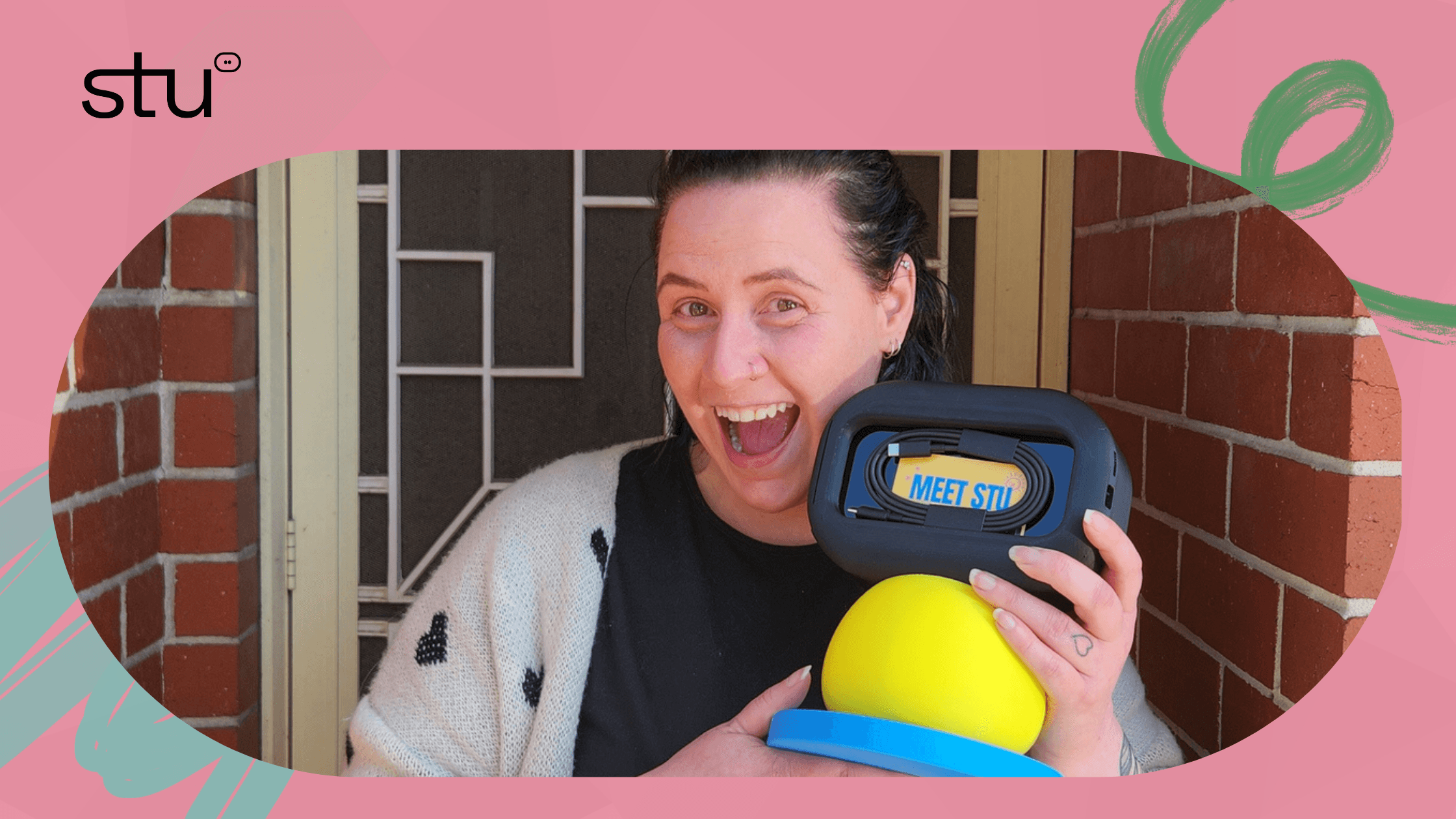
Body-Doubling : A Secret Recipe to Finishing Coursework
7 min read

Beating "ADHD Paralysis" When You Have a Huge Deadline
8 min read
How to Turn Your ADHD Into a Superpower
1 min read